


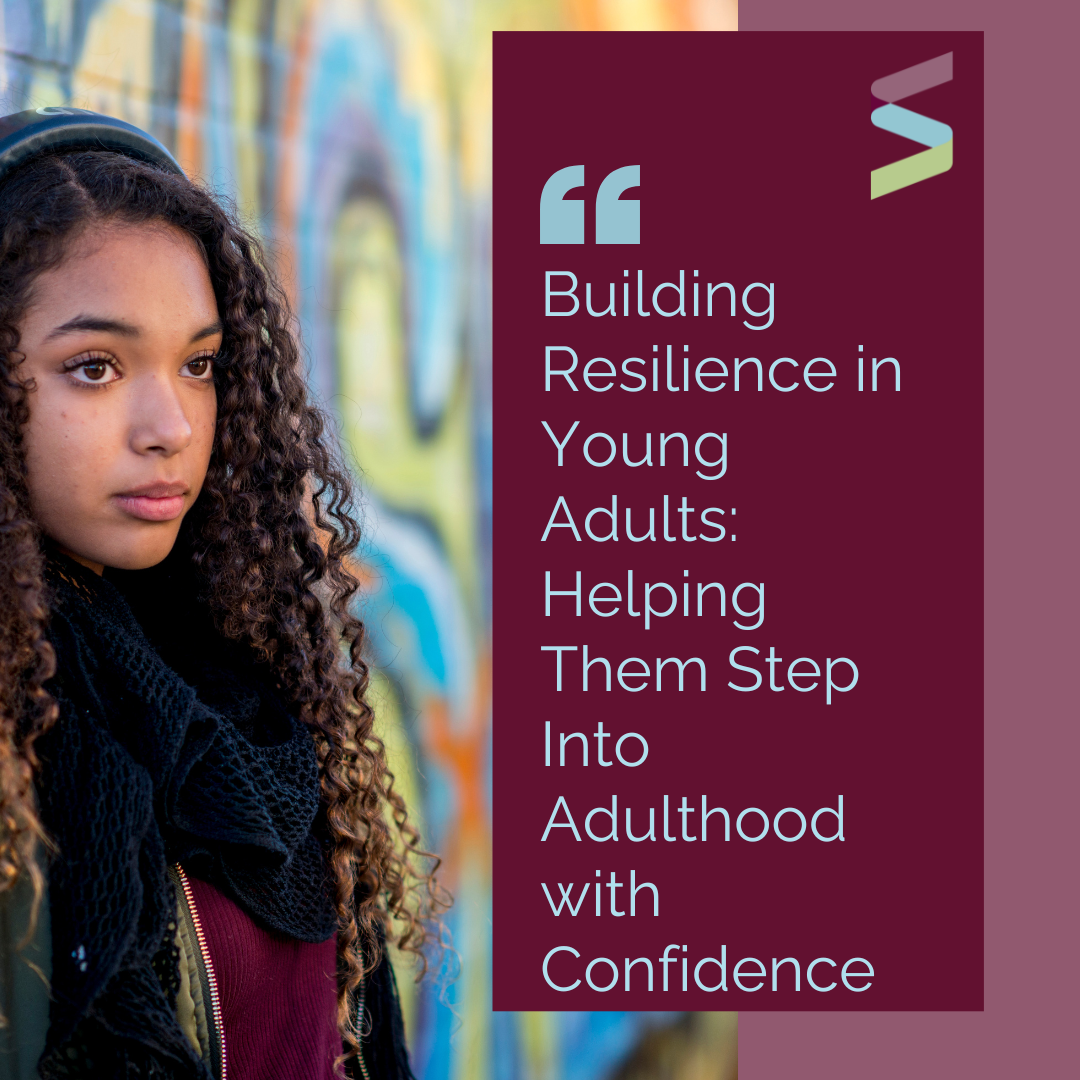
If you’ve worked in safeguarding or education for more than a minute, you’ve probably felt it too, that quiet shift. That moment you realise the young adults walking through your doors just aren’t as emotionally robust as their predecessors. I’m hearing it from DSLs, tutors, safeguarding managers, the same theme, everywhere I go.
Bright, talented students who can’t quite manage their day to day lives. Avoiding hard conversations. Struggling to cope with disappointment. Feeling overwhelmed by tasks that, a few years ago, would have been routine. And let’s be honest, it’s leaving us worried.
So what’s really going on?
The Perfect Storm: COVID, Helicopter Parenting, and Too Much Screen Time
Let’s think back. The cohort we’re working with now were around Year 9 when COVID turned the world upside down. That key moment in adolescence, when you’re meant to be flexing your independence muscles, was replaced with lockdowns, cancelled exams, and parents stepping in (with love, but often with a little too much control).
Then came the tech. Always on devices. Algorithms doing the thinking. Google / Youtube has become the new adult in the room, solving every problem in milliseconds, so long as it doesn’t involve an actual human being.
As one DSL said recently in training:
“There’s a big gap happening. They aren’t necessarily able to do life admin.”
And honestly? They’re not wrong.
When Even Making a Phone Call Feels Like a Mountain
We’ve reached a point where some colleges are offering lessons on how to make a phone call. Not because it’s quaint, but because many students genuinely don’t know how. And it’s not laziness. It’s fear. It’s overwhelm. It’s a deep discomfort with unfiltered, real-time interaction.
They’ll sit on hold for 45 minutes and still hang up before speaking. They’ll email instead of talk. Or worse , avoid it altogether. And that’s where it starts to unravel.
Because if you can’t handle the small, awkward, everyday things: a missed direct debit, a tricky conversation with a flatmate, a tutor who’s said something unfair, the big stuff becomes terrifying.
“I’m Fine, Thanks” – Until It All Falls Apart
Here’s a pattern I see a lot. A student moves from school to sixth form or college to university. They’ve had lots of support over the years, maybe a mental health plan, an EHCP, trusted staff who held them through GCSEs/A’levels. But at that next step? They say, “I don’t need it anymore.”
It’s not rebellion. It’s pride. It’s hope. It’s a desire to stand on their own two feet (which is wonderful). But it’s often mixed with unrealistic expectations. And before long, the scaffolding is gone, the pressure is up, and things start to crash.
As we said on a recent Safeguarding Brew:
“By the end of the second term, it’s all crashing and burning around them, and hopefully somebody somewhere recognises it and picks them up.”
That’s a big “hopefully.”
So What Can We Do About It?
This is the bit where we lean in, where we get honest, roll up our sleeves, and start building resilience from the ground up. Not as a “nice to have,” but as a vital part of our safeguarding strategy.
1. Let’s Normalise Struggle (and Stop Over-Rescuing)
Young adults need to hear that falling flat on your face isn’t a failure, it’s life. Share your own stories. Laugh about your own disasters. Let them see that getting back up is the win.
2. Scaffold Independence (Without Letting Them Sink)
We don’t need to throw them in at the deep end. But we do need to stop doing it all for them.
- Let them make their own appointments (and feel the sting of missing one).
- Encourage them to Google or check the web first and then come to you with a plan.
- Give them frameworks, not fixes.
3. Phone Calls Are Life Skills — Teach Them
Genuinely, put this on the curriculum if you can or make it part of a pastoral or support programme. Making a phone call. Writing an email. Asking for help. Navigating conflict. These aren’t “nice to knows” they’re survival skills in adult life.
4. Create Spaces Where Struggling Is Safe
Mentoring, peer groups, regular check-ins, anything that gives them a place to say, “I’m not okay,” without shame. Vulnerability isn’t weakness. It’s wisdom in progress.
5. Unpick the Instagram Illusion
Social media isn’t going anywhere, but we can help them think critically about it. That perfect life online? It’s filtered, curated, and mostly fake. We need to help them zoom out and see the full picture their self-worth is not measured in likes.
Why This Is a Safeguarding Issue
Here’s the bit we can’t afford to sugar-coat:
When a young person can’t advocate for themselves…
When they avoid asking for help…
When they’re overwhelmed by basic adulting…
…they’re more vulnerable. To exploitation. To abuse. To spiralling mental health. To risky decisions made in panic.
So no, this isn’t just about soft skills. This is safeguarding in action.
And Finally, A Gentle Challenge…
We have to hold a line here. Yes, this generation has had it rough. But that doesn’t mean we wrap them in cotton wool. It means we support and stretch them. Compassion and high expectations can (and must) coexist.
As a colleague said so perfectly during a recent discussion:
“It’s about building self-esteem and responsibility.”
Not one or the other — both. Because that’s where real resilience lives.
These young people are extraordinary. Sharp, creative, socially conscious, tech-savvy. They’ve got huge potential. But if we don’t help them build the inner scaffolding to match, we’re setting them up to fall.
Let’s do the work. Let’s build them up, not by doing it for them, but by believing in them enough to let them try, fail, and grow.
Because that’s what real safeguarding leadership looks like
Over to you — what’s working in your setting? How are you helping young adults grow in resilience and responsibility? Drop me a message or join the conversation. Let’s learn from each other.
Talk to me about the Safeguarding Leaders Hub and how it can help you navigate challenging topics and offer critical friendship to your safeguarding leaders
Content Disclaimer
The information contained above is provided for information purposes only. The contents of this blog are not intended to amount to advice and you should not rely on any of the contents of this blog. Professional advice should be obtained before taking or refraining from taking any action as a result of the contents of this blog. Safeguarding Practitioners Ltd & Kate Flounders disclaims all liability and responsibility arising from any reliance placed on any of the contents of this blog.
0 Comments